
Why Great Branding Builds Decades, Not Just Campaigns
Creative is often misunderstood as surface work, the icing on the cake. But it’s not decoration. It’s the chemistry that makes the cake delicious. When companies treat creative as a final-stage add-on, they miss the real value: the ability to transform the brand, align the message, and earn long-term customer trust. Because it’s not just about looking good, it’s about becoming the only choice for your audience.
Brand Is the Long Game
Creative sits at the center of Sales, Marketing and Branding, the hub of brand energy.
According to Forbes, companies that invest in branding enjoy a 23% increase in revenue. Why? Because creative makes your business human. It turns product features into value stories. It makes your mission meaningful. And it connects with customers in a voice they’re already singing.
Creative doesn’t just sell what you make, it sells what you mean.
Mistaking the Message for the Medium
Too many companies bring creative in too late, treating it like a service arm: “Make it pretty,” “Clean this up,” “Add some polish.” But that’s a costly mistake.
Creative isn’t a sticker. It’s a signal, the story, the emotion, the experience. When creative leads early, the brand finds its voice, and the business finds momentum.
Case in Point: Baldur’s Rebrand
When Baldur’s approached our team for a rebrand, they knew they needed change, but didn’t know what it looked like. Their previous rebrand had lasted only a year before it collapsed. We took a different approach: strategy first, design second. Through collaborative workshops, deep dialogue, and real creative exploration, we helped them uncover what the brand truly stood for, and built an identity that aligned with it in every detail.
At their Calgary launch, Baldur’s sold out completely. Customers claimed they’d seen the brand before, though it hadn’t officially launched. The new look and feel sparked instant recognition, curiosity, and trust.
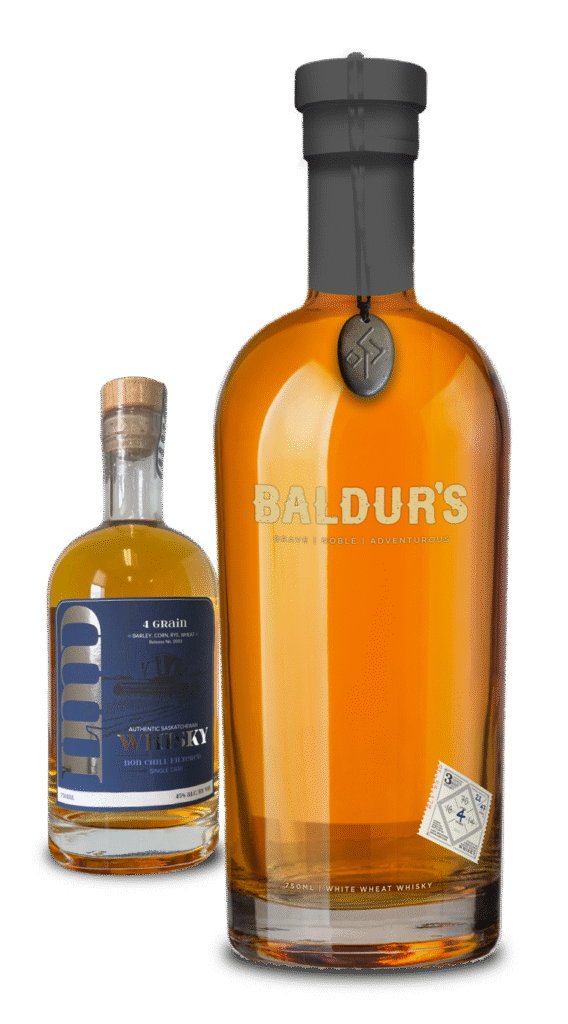
But the impact didn’t stop there. The strength of the rebrand allowed Baldur’s to:
• Double their retail price
• Enter the U.S. market
• And win major industry awards for packaging and branding
The creative didn’t just make the product look better, it changed how it was valued by their audience. That’s what happens when creativity isn’t treated as garnish… but as the growth engine.
What Changes When Creative Leads Early?
Mission gets traction – Your values stop sounding like buzzwords and start looking like action.
Consistency builds trust – And trust increases retention, loyalty, and pricing power.
Effectiveness increases – Product, marketing, sales, all get more effective when brand clarity is present.
When creative owns the voice, customers stop comparing and start connecting.
The Role of a Creative Director
A great Creative Director doesn’t just run the design team. They build the persona of the brand. They protect consistency across every touchpoint. And they work cross-functionally to make sure the story stays aligned, from pitch deck to packaging to people ops. Because when the message fractures, even slightly, customers feel it. They can’t always name it, but they know something’s off. And that’s when they start quietly looking for a new solution.
Creative isn’t here to decorate. It’s here to deliver trust.
What the Business Gets
When creative is treated as a strategic investment, the returns are clear:
• Brand loyalty
• Customer retention
• Market differentiation
• Internal alignment
• Cultural momentum
• And yes, revenue.
Because consistency builds trust. And trust builds everything else.
Creative is not the garnish. It’s the glue. The differentiator. The signal, not the sticker. Handled with intention, creative becomes the business’s most valuable asset. That’s the real Creative Difference.